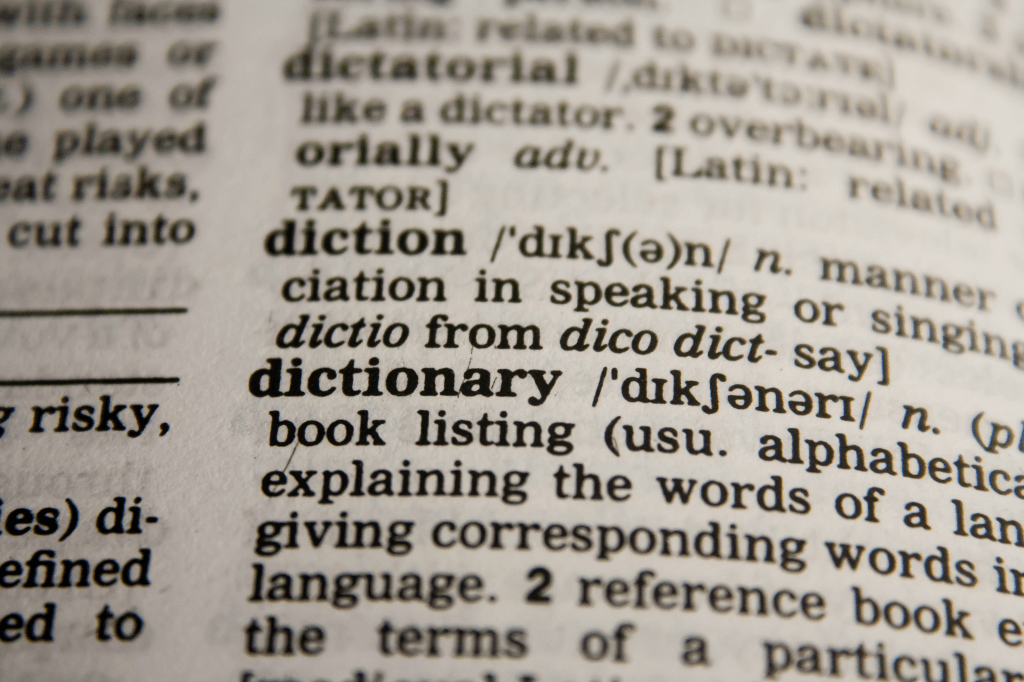
What is a trope? I thought I knew the answer to this question, but when I searched the phrase “define trope,” I was surprised by the results.
Oxford Languages’ first definition of the word “trope” is “a figurative or metaphorical use of a word or expression.” Apparently, tropes refer to figurative language, such as similes, metaphors, puns, etc.
This surprised me. I had expected the idea of repeated themes to be the first definition. As readers, we’re constantly hearing about the “love triangle” trope, or the “fake relationship” trope, or even the “enemies to lovers” trope. All of these examples have to do with romance, which led me to a secondary question – are tropes something we see mainly in romance novels and movies?
Returning back to our main question, though, I saw when scrolling down that Oxford Languages’ second definition of “trope” is “a significant or recurrent theme; a motif.” Merriam-Webster also defined “trope” as “a common or overused theme or device: cliché.” Mind you, this was also only the second definition listed, the first being along the lines of a trope being another way of describing figurative language. Of course, maybe this second definition is related to the first in that one might use figurative language in a certain way to the point where it becomes an overused device.
I hope what you take away from this post is a new definition for a commonly used literary word. Or I hope that you at least think about the word “trope” the next time you read a book and start to roll your eyes at all the overused themes that abound. I was originally going to write this post about how tropes are essentially retellings, but the definition of the word “trope” was, in and of itself, something worth discussing. Given how the word “trope” is so often used, repeating it no less than fifteen times throughout this post somehow seemed appropriate….
Fairy truly yours,
Grace W. Wong
 The Retellings Review (and Fairy Tales Too!)
Leave a comment